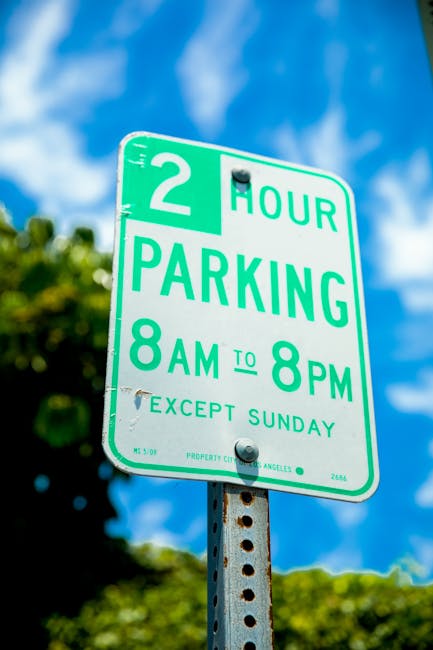
Redbridge Council permit rules for Ilford removals: a practical guide for a smoother move
If you are planning a move in Ilford, the permit side of things can feel like the least exciting part of the whole day. But it is often the bit that decides whether your removal van parks neatly outside your building or spends half the morning circling the block. The rules around Redbridge Council permit rules for Ilford removals matter because they affect where a van can wait, how long it can stay, and whether your move stays on schedule.
Truth be told, most people only think about parking once the boxes are packed and the sofa is already at the door. That is usually too late. This guide breaks the process down in plain English, so you can understand when a permit may be needed, what risks to watch for, and how to prepare without turning moving day into a small administrative drama.
Along the way, we will cover the practical side too: timing, access issues, common mistakes, and how to make a local move in Ilford run more smoothly. If you want a broader look at moving support, you may also find our removals and man and van services useful as you plan the job.
Why Redbridge Council permit rules for Ilford removals matters
A moving permit is not just red tape. In a dense local area like Ilford, it can be the difference between a calm loading process and a stressful scramble with nowhere legal to stop. Streets can be narrow, bays may be shared, and some properties sit on roads where unrestricted loading is simply unrealistic. If your van blocks traffic or parks where it should not, you may end up with delays, parking penalties, or neighbours who are, let's say, not thrilled.
For removals, timing is everything. A missed loading slot can ripple through the rest of the day: the keys are late, the lift is busy, the parking space is gone, and suddenly everyone is standing around a front door in the drizzle. Not ideal. Understanding the permit rules early helps you build the move around what the street can actually handle, rather than assuming it will all work out on the day. Sometimes it does. Often, it does not.
This matters even more if you are moving from a flat, a terraced house with limited frontage, or a road with heavy daytime traffic. If you are considering flat removals or a busy home move, access planning should be part of the quote and not an afterthought.
Expert summary: In Ilford, permit planning is not about making the move more complicated; it is about preventing avoidable delays, protecting your schedule, and keeping the van where it is allowed to be.
How Redbridge Council permit rules for Ilford removals works
While the exact process can vary depending on the street, the property type, and the time of year, the basic idea is straightforward: if a removal vehicle needs to stop in a restricted area, a permit or dispensation may be required. That might apply to suspended parking bays, controlled parking zones, waiting restrictions, or streets where access is tightly managed.
The practical question is not "can a van fit?" but "can a van legally and safely stop long enough to load or unload?" That distinction catches people out. A vehicle can be physically able to stop for five minutes, but if the road markings or local parking controls say otherwise, the risk is still there.
In real terms, the process usually comes down to a few moving parts:
- checking whether the property sits in a restricted parking area
- understanding whether loading-only activity is allowed
- finding out if the bay needs to be suspended or reserved
- confirming the size of the removal vehicle and the time window needed
- allowing enough lead time for approval, if a permit application is needed
If you are working with a professional team, the planning should happen before moving day, not during it. That is one reason many people prefer an experienced removal services provider rather than trying to coordinate parking, access, packing, and key collection all at once.
There is also a difference between a one-off local move and a larger multi-item relocation. A simple one-bedroom move may need only brief roadside access, while a full household move may require longer parking time, stair carries, and a larger vehicle. A bigger van or truck can improve efficiency, but it can also make space planning more important. If you are comparing vehicle options, pages like removal van, man with van, and moving truck can help you think through the scale of the job.
Key benefits and practical advantages
Getting permit planning right has some very concrete advantages. None of them are glamorous, but all of them matter on the day.
- Fewer delays: the van can park where it is allowed to park, which keeps loading and unloading moving.
- Lower stress: you are not improvising parking arrangements while the crew is carrying furniture.
- Better safety: a properly positioned vehicle reduces unnecessary carrying distance and awkward lifting.
- Cleaner coordination: lift bookings, key handovers, and arrival times become easier to manage.
- Lower chance of disruption: neighbours, traffic, and building management are less likely to be caught off guard.
There is also a less obvious benefit: better quoting. If the access conditions are known in advance, you get a more realistic estimate. That is especially useful for moves with awkward stairways, limited turning space, or multiple stops. If you want transparent planning and budgeting, it is worth reviewing pricing and quotes early rather than waiting until the week before the move.
And yes, there is a human benefit too. A move that starts with a legal parking space and a clear time window tends to feel much calmer. It just does. You can hear the tape tearing, boxes thudding into place, the low hum of a van engine outside, and none of it feels like an emergency.
Who this is for and when it makes sense
Permit planning is relevant to more people than you might expect. It is not only for big house moves or commercial relocations. In Ilford, it can matter for almost any move where street access is constrained.
- Home movers: especially if your property is on a narrow road or near busy parking controls.
- Flat residents: loading outside blocks, managing lifts, and parking close to entrances can be tricky.
- Students: moving with smaller loads still needs reliable access, particularly during busy term periods.
- Office relocations: business moves often involve tighter time windows and more equipment.
- Anyone using a larger van or truck: bigger vehicles need more space to stop safely.
If you are moving bulky or awkward items such as a piano, permit planning becomes even more relevant. The vehicle may need to park close to the entrance, and the carry route needs to be as short and safe as possible. For those kinds of moves, piano removals and house removals are both examples where access checks should be done early.
It also makes sense for anyone moving on a schedule. If you have to leave one property by midday and collect keys for another by 1 p.m., there is not much room for parking mistakes. The move may still succeed without a permit, but that is a gamble, and not a very charming one.
Step-by-step guidance
Here is a practical way to approach the parking and permit side of an Ilford removal without overcomplicating it.
- Check the exact address and road conditions. Look at the frontage, loading space, and any signs, bays, or restrictions near the property.
- Measure the likely vehicle size. A small van and a large moving truck create very different access needs.
- Estimate the loading time. Be honest. If you have a third-floor flat and a lot of furniture, do not assume it will be quick.
- Confirm whether a permit, dispensation, or bay suspension may be needed. This is where local parking rules come into play.
- Book as early as possible. The earlier you decide, the less likely you are to be boxed in by timing.
- Share access details with the removals team. Steps, gates, call boxes, lift rules, and parking restrictions all affect the plan.
- Prepare the property. Clear corridors, protect floors, and keep essential items separate.
- On the day, keep someone available. One person who can answer questions and make quick decisions is invaluable.
A small but useful tip: take a photo of the parking area and the approach to the property the day before. It sounds simple, almost silly even, but it helps a lot when you are trying to explain a tight corner or a narrow entrance over the phone. A picture beats a vague memory every time.
If you are packing at the same time, consider using packing and boxes or packing and unpacking services so you can focus on the access plan rather than trying to do everything in a rush.
Expert tips for better results
After enough moves, some patterns become obvious. The people who have the smoothest days are not always the ones with the fewest boxes. They are the ones who plan the boring bits early.
- Build a time cushion. A 30-minute delay with parking can become an hour if lifts, keys, or traffic also slip.
- Keep the route from van to property as short as possible. Less carrying means fewer knocks, less fatigue, and lower risk of damage.
- Ask about vehicle choice before confirming anything. The right van size can save time, but the wrong one may be impossible to place legally.
- Do not assume a quiet side road is automatically fine. Temporary restrictions, school hours, or resident-only zones can still apply.
- Coordinate with building rules. Some blocks care more about lift bookings and move times than people expect.
If your move is time-sensitive, the ability to get help quickly can matter. A same day removals option may help in urgent situations, but only if access is still properly checked. Speed is good. Speed with no parking plan is just panic in a van.
And one more thing: keep drinks, charger cables, and a few essential documents in a bag you do not hand over. You will thank yourself later, probably right when the kettle finally gets unpacked.
Common mistakes to avoid
Most permit problems are not caused by bad luck. They come from simple assumptions made too late.
- Leaving permit checks until the week of the move. This is the biggest one.
- Underestimating loading time. A move that looks quick on paper can slow right down in a real stairwell.
- Forgetting that the van itself needs space. The fact that a passenger car can park there does not mean a removal van can.
- Not telling the removals team about restrictions. They cannot plan around what they do not know.
- Ignoring building management instructions. Lift rules, arrival windows, and corridor protection matter more than people think.
- Assuming the same rules apply to both loading and waiting. Sometimes they do not.
A good rule of thumb: if the street feels tight when you walk it, it will feel tighter when a van tries to use it. That is not especially technical, but it is true. On a wet morning with traffic passing and someone holding a box of dishes, it becomes very obvious very quickly.
If you are moving a business, the same principle applies at a larger scale. Office moves often involve more coordination, more equipment, and more pressure to keep disruption down. For that, office removals and commercial moves are worth considering as part of the planning conversation.
Tools, resources and recommendations
You do not need a mountain of tools to manage this well. In fact, a short, sensible list works better than a cluttered one.
- Printed move plan: keep the address, access notes, parking details, and contact numbers in one place.
- Phone photos of the road: helpful for explaining bay widths, corners, or obstacles.
- Basic tape measure: useful for checking furniture and doorway clearance.
- Labels and marker pens: not glamorous, but they save time everywhere.
- Floor protection materials: especially useful in flats, communal hallways, and older properties.
If you are deciding between different support levels, think about how much of the move you want handled. A full service approach may be worth it if you are short on time, while a lighter setup can suit smaller local moves. Browsing removal companies can help you compare approaches, but the real question is what level of help you actually need.
For storage between properties, or if the timing between moving out and moving in is awkward, storage can take a lot of pressure off. It is a small relief that can make the whole thing feel less like a juggling act.
Law, compliance, standards, or best practice
This topic sits at the intersection of parking control, local access management, and practical moving safety. The exact permit rules can change depending on the road and the local authority's current procedures, so it is wise to treat any move-related parking requirement as something to verify early rather than guess. That caution is not being dramatic; it is simply good practice.
From a best-practice point of view, the following principles are sound:
- Confirm access before the move date. Do not rely on assumptions about loading spaces.
- Respect road markings and restrictions. A short stop can still be a breach if it is in the wrong place.
- Plan for safe manual handling. The safer the parking position, the shorter and easier the carry.
- Keep communication clear. The person managing the move should know who to call and what the restrictions are.
- Use insured and safety-conscious movers. Access problems and heavy items are far easier to manage when the team is prepared.
That last point matters. If a removal firm is handling your belongings, you want confidence in how they work and how they protect items in transit. Our pages on insurance and safety and health and safety policy outline the kind of care you should expect from a professional service.
For anyone who prefers to understand the wider company standards as well, terms and conditions and about us are useful places to check how a provider works, what it values, and how it approaches customer service.
Options, methods, or comparison table
There is no single perfect setup for every Ilford move. The right option depends on vehicle size, access, time pressure, and how much you want handled for you.
| Approach | Best for | Permit impact | Typical advantage | Watch out for |
|---|---|---|---|---|
| Man and van | Smaller local moves, light loads, quick turnaround | Often simpler, but still depends on street restrictions | Flexible and efficient | May not suit larger furniture or longer loading times |
| Removal van | Typical household or flat moves | May need stronger parking planning in tighter streets | Balanced size and convenience | Access can become tight in busy roads |
| Moving truck | Larger homes, heavier loads, bigger jobs | More likely to need careful permit or bay planning | Higher capacity and fewer trips | Needs more space and clearer approach routes |
| Full removals service | Families, busy households, complex access, or time-sensitive moves | Usually better coordinated because planning is more structured | Less stress, better organisation | Needs early booking to lock in the best plan |
In many cases, the most sensible option is not the cheapest-looking one at first glance. It is the one that avoids extra trips, awkward parking, and a lot of waiting around in the street. Nobody loves that part, to be fair.
Case study or real-world example
Here is a realistic Ilford scenario. A family is moving from a two-bedroom flat into a house a few streets away. The flat sits on a road with limited stopping space, a shared entrance, and a busy daytime parking pattern. At first, they assume the van can just pull up outside for an hour. Easy, right? Not quite.
Once the access is checked properly, it becomes clear that the vehicle needs a very specific stopping position to avoid blocking the carriageway and to keep the carry route short enough for sofas and boxes. The family also has a lift booking window, which means timing is tighter than they expected. Because the parking issue was dealt with early, the removals team can choose the right arrival time, keep the move flowing, and avoid standing around with furniture while someone tries to negotiate space on the street.
The result is not magic. It is simply preparation. The van arrives, the boxes come out in order, the hallway stays protected, and the move finishes without the kind of awkward last-minute scramble that tends to make people slightly wild-eyed by lunchtime. That little bit of planning made the whole day feel manageable.
For moves like this, a sensible combination of house removals, access planning, and clear communication is usually the difference between a controlled move and a messy one.
Practical checklist
Use this checklist before moving day. It keeps the permit and parking side from slipping through the cracks.
- Confirm the exact moving address and postcode.
- Check whether the road has parking controls, loading restrictions, or limited stopping space.
- Decide which vehicle size is most appropriate.
- Estimate how long loading and unloading will take.
- Tell the removals team about lifts, stairs, narrow entrances, and gate codes.
- Ask whether a permit, dispensation, or bay suspension may be required.
- Book early enough to avoid a last-minute rush.
- Prepare building access information and a contact number for the day.
- Set aside essentials you will carry yourself.
- Keep packing materials, keys, and documents organised in one place.
If you are still weighing up the moving support you need, our home moves page can help you think through what kind of service fits your situation best.
Get a free quote today and see how much you can save.
Conclusion
Redbridge Council permit rules for Ilford removals are really about one thing: making sure the moving vehicle can do its job without getting in the way of the street, the neighbours, or your schedule. Once you understand that, the whole process becomes less mysterious. Check the access, choose the right vehicle, leave enough time, and tell everyone involved what the road conditions actually look like.
That is the simple version, and in practice it works. A good move is rarely about luck. It is usually about careful planning, clear communication, and a few sensible decisions made before the first box leaves the front room. If you get that part right, the rest tends to feel a lot easier. Not effortless, maybe, but easier.
And when moving day finally comes, with the kettle packed, the last drawer emptied, and the van parked exactly where it should be, that small sense of order feels very good indeed.
Frequently Asked Questions
Do I need a permit for removals in Ilford?
Sometimes, yes. It depends on the street, the parking controls in place, and whether the removal vehicle needs to stop in a restricted area. The safest approach is to check access early rather than assume roadside loading will be fine.
Who is responsible for arranging the permit?
That can depend on the arrangement with your removals provider and the nature of the move. Many people prefer to let the mover advise on access planning, while the customer confirms property-specific details. The important thing is that someone takes ownership of it before the moving day.
How far in advance should I check parking rules?
As early as possible. Ideally, parking and access should be reviewed as soon as you have a moving date. Leaving it until the last week can create unnecessary pressure and limit your options.
What happens if a van parks where it should not?
You may face delays, penalties, or enforcement action, depending on the location and the restriction. Even if nothing immediate happens, the move can still be disrupted if the vehicle has to be moved mid-load.
Are permits only needed for big removals?
No. Smaller moves can still need access planning if the road is narrow or heavily restricted. A compact move into a flat can be just as tricky as a larger house move if parking is poor.
Do flats need extra planning compared with houses?
Often, yes. Flats frequently involve lifts, stairs, communal entrances, and tighter parking spaces. That combination can make permit and access planning more important than people expect.
Can I just use a loading bay without checking anything else?
Not safely. Some loading bays have time limits, user restrictions, or other controls. It is better to confirm the exact rules for the bay rather than rely on appearances.
What if my move is urgent?
If time is tight, speak to the removals team immediately and explain the access issue clearly. In urgent situations, a service like same day removals may help, but only if the parking plan still makes sense.
Is a bigger vehicle always better?
Not always. A larger vehicle can reduce trips, but it also needs more space to park and manoeuvre. In a tight Ilford street, the best vehicle is the one that fits the access conditions and the load size properly.
How do I make the move less stressful?
Start early, label your boxes, keep essentials separate, and make sure access details are clear. If the street parking is sorted before moving day, a lot of the stress simply drops away.
Can storage help if the timing does not line up?
Yes. If you need to leave one property before the next one is ready, storage can bridge the gap and reduce pressure. It is a practical option when dates do not line up neatly.
What is the biggest mistake people make with move permits?
Waiting too long to think about them. That one habit causes most of the hassle. Once the van is on the way, you are no longer planning - you are reacting. And reacting is rarely the calmest option.