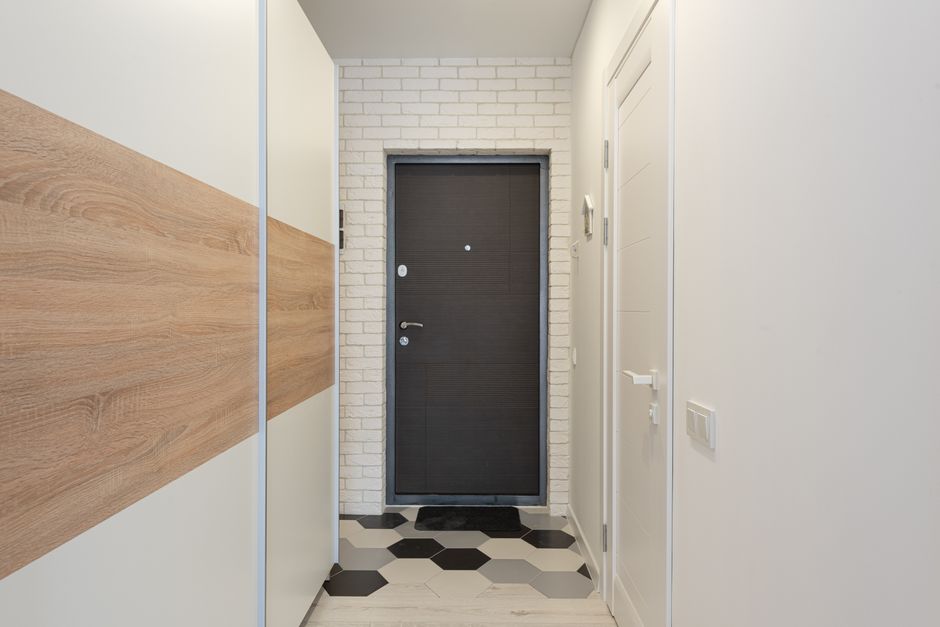
Seven Kings flat removals advice for narrow hallways
Posted on 29/05/2026
Seven Kings Flat Removals Advice for Narrow Hallways
Moving out of a flat sounds straightforward until you meet the hallway. In Seven Kings, that usually means a tight turn, a stairwell that feels narrower on moving day, or a front door that never quite opens as wide as you hoped. This guide gives practical Seven Kings flat removals advice for narrow hallways so you can move large furniture, protect the property, and avoid that awful moment when a sofa gets wedged halfway through the landing. Truth be told, that is where many flat moves become stressful, not the loading itself.
Whether you are moving from a first-floor flat, a maisonette, or a compact apartment with awkward corners, the right approach saves time and damage. It also helps you decide whether you can do it yourself, need a man with a van in Ilford, or should book a full flat removals service. Below, you will find a clear step-by-step plan, common mistakes, practical tools, and the kind of small details that make a big difference on moving day.
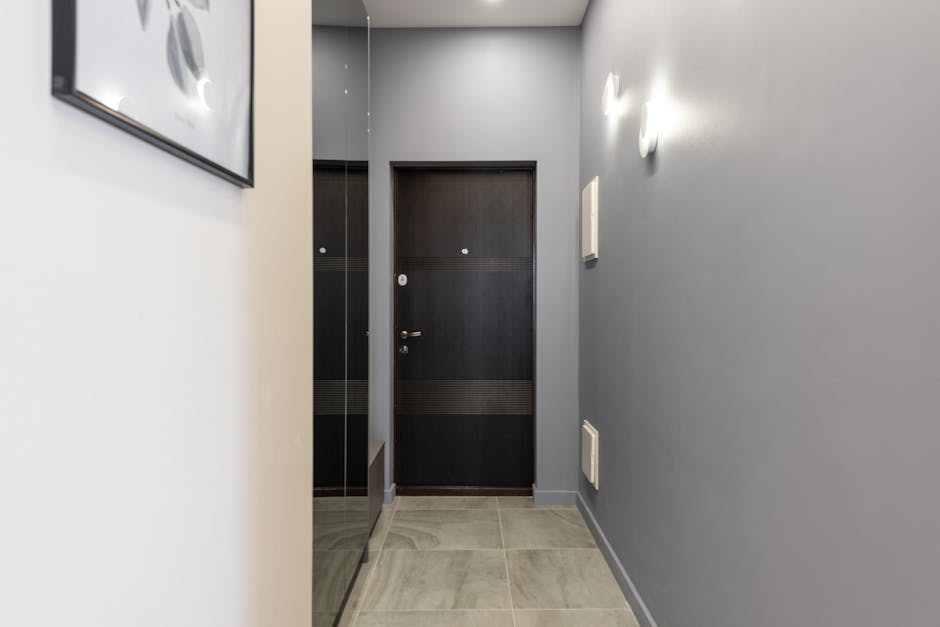
Why Seven Kings flat removals advice for narrow hallways Matters
Narrow hallways change everything. A move that looks easy on paper can become awkward fast when you have to turn a wardrobe at an angle, carry a mattress down a tight staircase, or navigate a shared entrance with neighbours coming and going. In Seven Kings, where many flats and conversions have compact internal layouts, hallway space is often the bottleneck.
This matters for three reasons. First, narrow access increases the risk of scratches, dents, and chipped plaster. Second, it slows the move down, which can affect parking time, lift access, and the timing of your van. Third, it makes lifting and carrying more tiring. A team can be perfectly competent and still struggle if the access route has not been thought through properly.
To be fair, most people focus on the largest item in the room. The better question is: how does that item travel from the bedroom to the van? That path is where the planning happens.
If you are comparing moving help in the area, it can also be useful to review the wider removal services available in Ilford and see how a provider handles access, packing, and safety rather than just transport.
How Seven Kings flat removals advice for narrow hallways Works
The basic idea is simple: measure, prepare, protect, and move in the right order. But the difference between a smooth flat removal and a stressful one is usually in the details.
Start with the access route. That includes the front door, internal hallways, stairwell corners, banisters, radiators, light fittings, and any tight bends between rooms. Then match your furniture to that route. A bed base may be fine in sections, while a one-piece wardrobe may not be. A sofa might angle through the hall if cushions are removed and feet are detached.
In practice, a good mover will look at:
- door widths and turning space
- staircase shape and landings
- furniture dimensions when assembled and dismantled
- lift access, if any
- parking distance from the entrance
- the risk of damage to walls, floors, or doors
For some moves, this means a standard van and two people are enough. For others, it means extra hands, more protective materials, or a different schedule. The right approach is not about being fancy; it is about matching the method to the building.
That is also why local knowledge helps. If you are moving within the area, a local page like removals in Ilford can be a helpful starting point for understanding the kind of access issues common in nearby flats and homes.
Key Benefits and Practical Advantages
Good narrow-hallway planning is not just about avoiding damage. It changes the whole experience of moving.
- Less risk of marks and scrapes: wall corners, door frames, and bannisters are protected before the heavy lifting begins.
- Faster loading and unloading: when the route is mapped out, crews do not waste time trying different angles or re-checking what fits.
- Lower stress on moving day: fewer surprises means fewer delays, and that matters when you are juggling keys, parking, and lift times.
- Better handling of fragile items: mirrors, glass tables, and awkward furniture can be wrapped and carried more safely.
- More accurate quotes: if you tell a mover about narrow access in advance, the estimate is more realistic.
There is also a practical comfort factor. When a mover knows what they are walking into, they can bring the right kit. A furniture dolly is no use if the turning circle is too tight. Extra blankets, corner guards, and the right straps, though, can make the whole thing feel much calmer.
Expert summary: In narrow-hallway flat removals, the winning formula is not force. It is preparation, measurement, and the right sequence of actions.
Who This Is For and When It Makes Sense
This advice is especially useful if you are in a flat with limited access, but it also helps if your move includes any of the following:
- older flats with tight internal corridors
- converted houses with awkward stair angles
- top-floor properties where furniture has to pass several turns
- shared entrances where you need to be considerate of neighbours
- student flats with lots of bulky but lightweight items
- smaller household moves where one or two oversized pieces cause the problem
If you are a renter, the issue may be speed and protecting your deposit. If you are a homeowner, it may be protecting fitted finishes and keeping the sale or completion day on track. If you are unsure what service level you need, the company's services overview is worth a look because it helps you compare support options without guessing.
It also makes sense when you have a special item, such as a piano, that needs more planning than a standard box move. In that case, a dedicated service like piano removals in Ilford is usually the safer route. A piano through a narrow hallway is not something to improvise at 8:00 in the morning with a borrowed trolley. You know the kind of thing. It never ends well.
Step-by-Step Guidance
Here is a practical sequence that works well for many Seven Kings flat moves.
1. Measure the access route, not just the furniture
Measure doors, hall widths, staircase corners, and any tight turns. Then measure your largest furniture pieces in the real world, including handles, feet, and any fixed protrusions. If an item can be dismantled, note which parts come off and how long that will take.
2. Decide what should be dismantled before moving day
Wardrobes, bed frames, shelving units, and some dining tables are often easier to move in sections. Keep screws and fittings in labelled bags. One small bag of fixings can save a lot of swearing later. Slightly dramatic, but true.
3. Clear the hallway and protect the route
Remove shoes, mats, bins, pictures, and anything else that narrows the path. Use floor runners or blankets where appropriate. Protect corners and hand contact points first, because those are the places that get hit most often.
4. Pack by room and by exit order
Do not just pack by category. Pack with the move route in mind. Items needed last should be packed first. The hallway should be kept clear from the moment the first box is carried out.
5. Load the largest items first if the route allows it
In many flat removals, the largest and heaviest items should be moved out while energy is fresh and the route is still fully clear. But if a big item needs a careful sequence or temporary removal of a door, that should be done before the rest of the load starts. No rush, no squeezing, no heroic shoves.
6. Keep communication short and clear
One person should guide the item, especially on stairs and corners. Agree simple phrases like "pause," "lift," and "turn" before the move starts. It sounds basic, but clear calls reduce the chance of awkward collisions.
7. Check the property after every large item
A quick pause after each bulky piece helps you catch scuffs early. If something has shifted or the route needs more protection, fix it before the next item comes through.
If you want to combine this with packing support, the page on packing and boxes in Ilford can help you think through materials and preparation without overbuying things you do not need.
Expert Tips for Better Results
These are the small adjustments that often make the biggest difference.
- Take the feet off sofas and cabinets: a few centimetres can be the difference between a clean turn and a jammed one.
- Remove doors where appropriate: if the front or internal door is the main pinch point, taking it off its hinges can buy useful space.
- Protect the building before the item: the hallway should be wrapped and ready before the first bulky item is touched.
- Use the shallowest angle possible: sometimes an item enters a hallway best when it is tipped slightly rather than carried flat.
- Work in daylight if you can: it is easier to spot scuffs, step edges, and obstacles when visibility is good. Early morning light can be surprisingly helpful.
- Keep one spare plan: if a wardrobe will not pass, know in advance whether it can be dismantled, stored, or moved by an alternative route.
Another practical point: if you live near a busy route or station area, timing matters as much as technique. The Ilford station removals tips for moves near IG1 article is useful reading if your move may be affected by busy roads, parking pressure, or foot traffic. Seven Kings may be a different pocket of the area, but the same principle applies: the street outside can be just as important as the hallway inside.
And yes, sometimes a neighbour opens their door right when you are turning a double wardrobe. That happens. Stay calm, keep the tone friendly, and keep going.

Common Mistakes to Avoid
Most narrow-hallway problems are predictable. The good news is that predictable problems are fixable.
- Guessing the measurements: a "roughly fits" approach is risky with awkward furniture.
- Forgetting the turning space: a door width on its own means very little if the landing is too tight to swing the item around.
- Leaving packing until the last minute: rushed packing leads to cluttered hallways and slower lifting.
- Trying to force oversized furniture through: this is where damage, frustration, and sometimes injuries happen.
- Not telling the removals team about the access issue: if they do not know, they cannot plan for it.
- Ignoring neighbour access: in shared buildings, blocked corridors and loud rushing create avoidable friction.
One of the most common real-world mistakes is thinking the removal van is the main problem. Often it is not. The van can wait. The hallway cannot. That is the bit that decides whether your move feels organised or chaotic.
Tools, Resources and Recommendations
You do not need a van full of special equipment, but a few practical tools go a long way.
| Tool or resource | What it helps with | Why it matters in narrow hallways |
|---|---|---|
| Measuring tape | Measuring doors, furniture, and turning points | Prevents guesswork and wasted effort |
| Furniture blankets | Protecting surfaces during turns | Reduces scuffs on walls and cabinet edges |
| Corner guards | Shielding tight hallway corners | Useful where angled turns are unavoidable |
| Labels and marker pens | Organising dismantled parts and boxes | Stops fixings and room contents getting mixed up |
| Ratchet straps or strong ties | Securing items in the van | Stops movement after the item finally makes it out |
| Storage option | Holding items that cannot fit immediately | Useful if access and timing do not line up cleanly |
If the move is becoming complicated because of timing, access, or completion dates, it may be worth looking at storage in Ilford. A short-term storage plan can take the pressure off when the new place is not quite ready or when narrow access means you need to move items in stages.
For broader local support, a page like house removals in Ilford can help if your flat move is part of a larger household relocation and you want to compare service types.
Law, Compliance, Standards, or Best Practice
For flat removals, the main compliance concerns are usually practical rather than dramatic: safety, access, insurance, and respect for the building. A responsible mover should be mindful of manual handling, safe lifting, and protection of both the property and the people involved.
In the UK, best practice generally includes the following:
- using sensible lifting techniques and not overloading one person
- checking access routes before moving heavy items
- protecting floors, walls, and doors where needed
- confirming any insurance cover that applies to goods in transit or handling
- agreeing clear terms about the scope of the move
It is also sensible to be transparent about any access issues up front. That helps the removals team plan appropriately and avoids misunderstandings on the day. If you are comparing providers, their insurance and safety information and health and safety policy are worth reading because they show how seriously they treat the move, not just the transport.
And if you want to understand booking terms, pricing, or payment expectations before confirming anything, the pages on pricing and quotes and payment and security are sensible places to look. Small detail, but a useful one.
Options, Methods, or Comparison Table
Not every narrow-hallway move needs the same level of support. Here is a simple comparison to help you choose.
| Option | Best for | Pros | Watch-outs |
|---|---|---|---|
| DIY move with friends | Very small flat moves with light furniture | Lower upfront cost, flexible timing | More risk with tight corners, heavy items, and damage |
| Man and van service | Smaller flat removals and a few bulky items | Good balance of cost and support | May need clear access details in advance |
| Full flat removals team | Complex access, larger furniture, or multiple rooms | More hands, better planning, less stress | Usually costs more than a basic transport-only service |
| Storage plus staged move | Timing gaps or items that cannot fit immediately | Great for flexibility and problem-solving | Requires extra coordination and planning |
For many Seven Kings flats, a man and van service in Ilford is enough if the furniture is manageable and the access route has been measured carefully. If the flat is awkward, the hall is especially tight, or you have more than one large piece, a fuller service is often the calmer choice. Calm is underrated on moving day, honestly.
Case Study or Real-World Example
Imagine a two-bedroom flat in Seven Kings with a narrow hallway, a short landing, and a living room sofa that looked perfectly ordinary until move day. The sofa was just too long to swing cleanly at the first corner. Rather than forcing it, the team removed the feet, took off the door temporarily, and protected the wall edge with blankets and corner guards. The sofa then turned cleanly, but only after a bit of patience and a second check of the route.
That same flat also had a bed frame that had to be dismantled before it could leave the room. Once broken down, it moved out without drama. The whole point was not speed for its own sake; it was avoiding damage and saving time by solving the bottleneck before it turned into a bigger issue.
That kind of move is very common in compact London flats. And usually, the hardest part is not the carrying. It is the decision to stop and adjust instead of trying to push through. A five-minute pause can save a fifty-minute headache. Sometimes more.
Practical Checklist
Use this before moving day. If you can tick most of these off, you are in good shape.
- Measured every doorway, hallway, stair corner, and landing
- Checked the dimensions of the largest furniture items
- Dismantled anything that is likely to catch on the route
- Labelled screws, fittings, and small parts
- Cleared the hallway and entrance area
- Protected walls, corners, and floors where needed
- Confirmed parking arrangements and access times
- Told the removals team about tight access or awkward turns
- Prepared a backup plan for oversized items
- Checked insurance, terms, and payment details in advance
If you are still at the planning stage, the area guide Ilford: a local's living experience can help you get a feel for the local move context, while this buying property guide for Ilford is helpful if your move is tied to a purchase rather than just a simple change of address.
Conclusion
Narrow hallways do not have to turn a flat move into a nightmare. With the right measurements, clear communication, sensible dismantling, and a mover who understands access issues, a Seven Kings flat removal can be handled smoothly and safely. The trick is to plan for the corridor, not just the van.
That is the real heart of good Seven Kings flat removals advice for narrow hallways: avoid guesswork, protect the building, and choose the right level of help for the space you actually have. If the move feels a bit daunting, that is normal. Most people feel that way until the first box is out and the route starts making sense.
Get a free quote today and see how much you can save.
If you are ready to talk through your access challenges, timing, or furniture list, a quick message to the team at contact us is a sensible next step. A short conversation now can save a lot of faffing later, and that is usually worth it.
Moving day should feel like a fresh start, not a battle with the hallway.